 Owner Login
 Resident Login

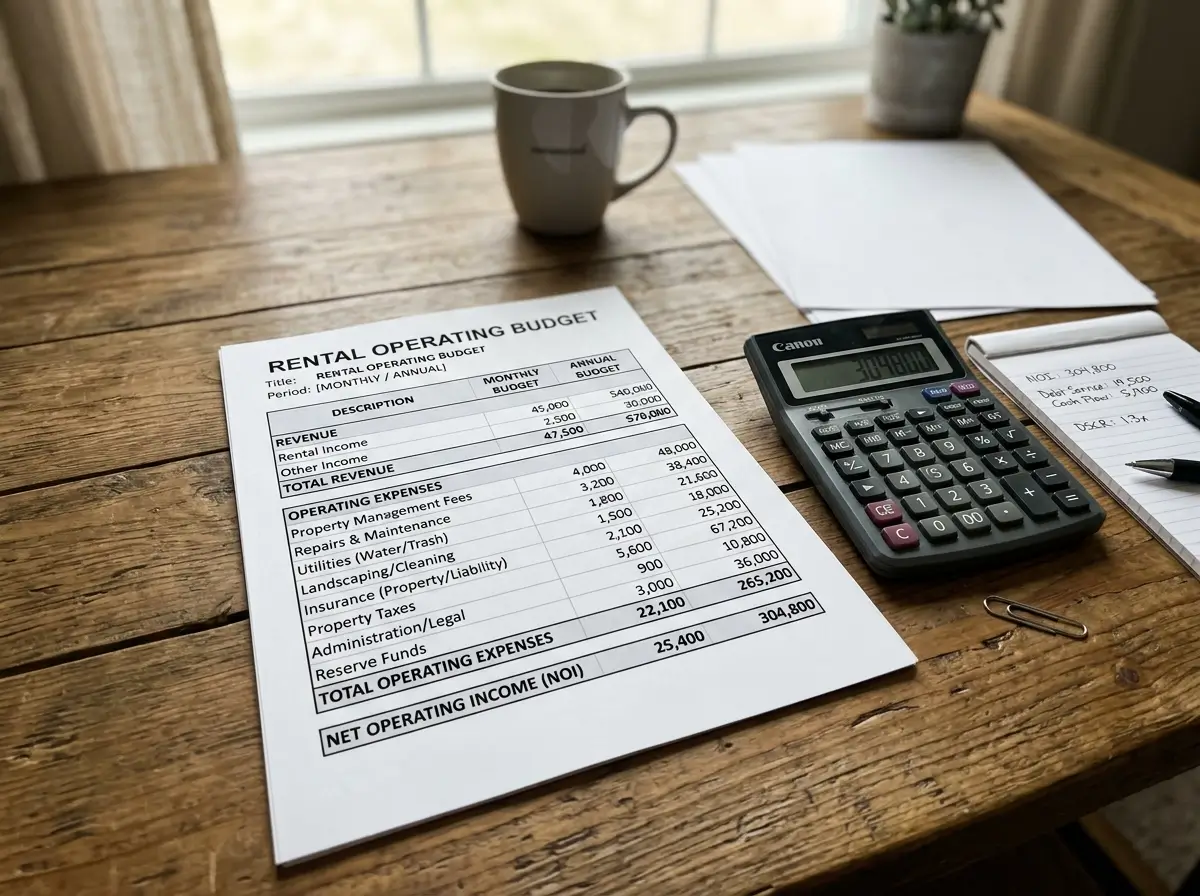
Rental property buyers and owners often think first about how their business can provide a steady income, and expenses come second. It’s natural to calculate your potential returns, since that is the whole point of having a business.
However, you also need to consider the potential expenses of owning a rental property to set the right rent and avoid being blindsided by unexpected costs. Listed below are the components that should be included in your operating budget.
Key Highlights:
- Start with realistic income. Subtract a vacancy and credit loss allowance of roughly 5% to 10% from your gross rental income, and budget other income, such as laundry, parking, or pet fees, conservatively.
- Fixed costs add up quickly. Property taxes and landlord insurance are often among the largest recurring expenses, and both can rise over time, so plan for increases instead of assuming today's bills will stay the same.
- Separate maintenance from CapEx. Set aside about 1% of the property's value per year (or 5% to 10% of collected rent) for repairs, and build a monthly reserve for big replacements like roofs, HVAC systems, and water heaters.
- Do not forget the smaller items. Utilities during vacancies, tenant marketing and screening, legal fees, licenses, accounting, and software can quietly erode cash flow if you leave them out.
- Track financing separately. Debt service is a financing cost, not an operating expense, but you still need both numbers to plan your cash flow accurately.
First Things First: A Realistic Income
Before you begin listing your expenses, you need an honest picture of your revenue. New landlords overlook a hard truth: it won’t always be 12 full months of rent. That assumption can lead to negative cash flow.
Check your gross rental income, which is the total rent you’d collect if every unit were occupied all year. From there, deduct a vacancy and credit loss allowance. A common planning range is around 5-10% of gross income, which can depend on your rental market and property type.
Then add your other income, which generally comes from rental business sidelines like laundry facilities, parking, storage rentals, pet fees, or late fees. These amounts may seem small, but they add up. Budget them conservatively, since they're less predictable than your rental income.
Rental Property Expenses
After calculating your projected income, list the costs of running a rental business.
Property Taxes
Property taxes are typically one of the largest fixed expenses, and rates can vary widely by location. They can rise over time after assessments, especially after a purchase or a major renovation. Check your local assessor’s records and plan for periodic increases rather than assuming the current bill will stay the same.
Insurance
It’s recommended that you get landlord insurance, since a homeowner’s policy usually doesn’t cover a rental property. A landlord policy typically covers the structure, liability claims, and sometimes lost rental income after a covered loss. The cost will also depend on your location and the condition of your property. If you’re in areas like San Diego, you may need additional coverage for risks like earthquakes or flooding.
Mortgage and Financing
If you financed the property, include principal, interest, and any mortgage insurance. Although debt service is a financing cost rather than an operating expense, and they are often separated to evaluate the property’s performance apart from the cost of purchasing it, you need these numbers in front of you for better cash flow planning.
Maintenance and Repairs
This is where budgets often fall short, since rental properties require ongoing upkeep. You’ll encounter plumbing fixes, appliance repairs, pest control, and other unexpected issues, plus maintenance and upgrades to prevent property deterioration. The rule of thumb is to set aside 1% of the property's value per year, or roughly 5% to 10% of collected rent, though older buildings may need more.
Capital Expenditures (CapEx) Reserve
Small upgrades are generally easier to squeeze into the budget, but capital upgrades will require a separate category. This includes replacements for your HVAC, plumbing, and electrical systems, as well as roofs, water heaters, and other major property features. Estimate a monthly reserve contribution by listing each major system, its approximate cost, and its remaining useful life. Divide the cost by the years of life, then divide by twelve.
Utilities
This can depend on your lease arrangement with your tenants, but ultimately, you still have utilities to cover. In multifamily properties, landlords commonly pay for water, sewer, trash, and common-area electricity. If your rental units are vacant, you have to pay for utilities to keep the unit operational. For instance, you need to keep the heat on to prevent frozen pipes.
Marketing and Tenant Screening
Finding good tenants will cost money, with ot without a property manager. You will have to account for listing fees, professional photos, signage, and background and credit check expenses. Budget based on how often you expect to turn over the unit.
Professional and Administrative Costs
It’s easy to overlook since they are relatively small items and don’t cost as much, but they can add up. Consider things like:
- Accounting and bookkeeping or tax preparation fees
- Legal fees for lease drafting, evictions, or compliance questions
- Licenses and permits, including rental registrations or inspection fees
- Software for rent collection, accounting, or maintenance tracking
- Landlord association dues, if applicable
FAQs
What is a rental operating budget?
- A plan that estimates the income your rental property will generate and the expenses required to run it. It helps you set the right rent, avoid surprise costs, and measure how the property is really performing.
How much should I allow for vacancy?
- A common planning range is 5% to 10% of gross rental income, depending on your rental market and property type. Single-unit owners may want a larger cushion, since one vacancy means all income stops for that period.
Is a mortgage payment an operating expense?
- Technically, no. Debt service is a financing cost, and investors often separate it from operating expenses to judge the property's performance apart from how it was purchased. However, you should still include it in your cash flow planning.
What Accurate Accounting Can Do For You
Accurate accounting gives landlords a clear picture of how their rental business is truly performing. By tracking every dollar of income and expense, owners can see areas that may need improvement, and that’s what Income Property Advisors can offer you.
With reliable records, it will be easier to set the right rent price, plan for repairs and capital expenses, and spot costs that are creeping upward. Most importantly, good books turn guesswork into informed decisions.
If you’re working toward this, feel free to contact us. We’ll be happy to help!
More Resources:
Biggest Challenges in Managing Multifamily Properties in San Diego
Why You Should Create a Social Media Page for Your Rental Business
